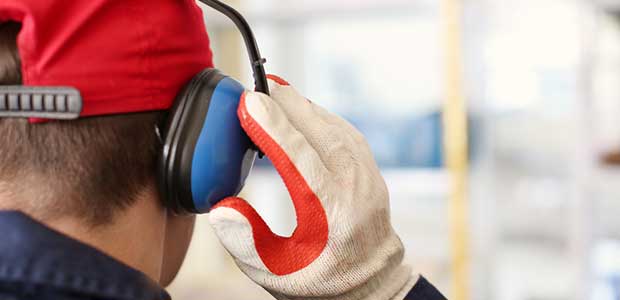
Over the last few months, Examinetics has collected information from audiologists on hearing conservation programs and hearing health in general. Read the Q&A here!
Detailed recordkeeping is an essential aspect of any compliant training program. In addition to simplifying tracking, documenting your training can assist in determining when refresher or annual training is needed. Plus, training records are sure to be reviewed during an OSHA inspection to ensure your organization is in compliance, so it pays to be thorough.

Workplaces across the nation begin to reopen, but not all are operating with the same methods, or cautions. Here’s an outline of what each state is doing, according to a June 4 NPR article.
A recent NPR article explains how the meatpacking industry is not the only food industry facing COVID outbreaks. The seafood industry in the Pacific Northwest in particular had 92 of its employees on one ship fall ill.
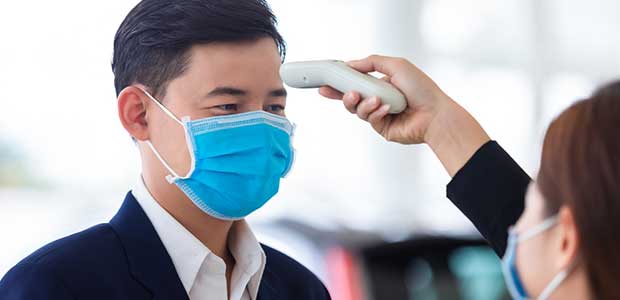
With little federal guidance on how to reopen and operate workplaces during and post-pandemic, employers are questioning their responsibility to test or not test employees for coronavirus.
Despite the pressures leadership may feel to return to work, there is a core truth they may not want to face: Rushing back to the way things once were increases the risk of failure in the present.

The U.S. Department of Labor’s OSHA announced it will expand inspections to reduce job-size hazards related to coronavirus across the country, but many are saying the policy falls short of demands by worker advocates.
As we begin to think more seriously about disinfecting and cleaning our work and home spaces, it’s important to remember that many cleaning products—especially bleach—pose some serious health hazards. Understand how to safely use bleach with these five tips.
SPONSORED
Following the regulations and staying in compliance are important, but we know you want to go beyond minimum requirements to keep your employees safe. Some regulations have numerous training and employee information requirements, while others have none. Are you covering everything? And what does it take to go above what’s required?

Mental health resources are important for any worker, but during this pandemic, essential workers have needed support more than ever. Many think that for essential workers, the serious need for mental health care may long outlast coronavirus.