
Featuring:
• CONTRUCTION SAFETY - Inspection Process Best Practices
• PROTECTIVE APPAREL - What's New with Are Flash Standards
• HAND PROTECTION - New Wrinkles in Hand Protection
• CONFINED SPACE - Farming Should Yield Life, Not Take it Away

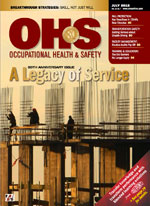
Featuring:
• 80TH ANNIVERSARY ISSUE - A Legacy of Service
• TRAINING - What Did You Say?
• TRANSPORTATION - Back to BASICS
• RUGGED COMPUTING - Top-Flight Tablets
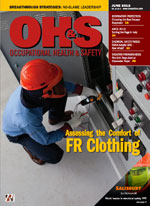
Featuring:
• COMBUSTIBLE DUST - The Right Tool for Combustible Dust
• INDUSTRIAL HYGIENE - Is Gas Detector Rental Right for Me?
• 2012 AIHCE PREVIEW - Turning the Page in Indianapolis
• EH&S SOFTWARE - Improving Safety is Smart Business at SKF
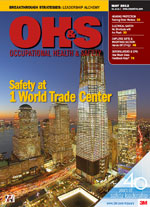
Featuring:
• HEARING PROTECTION - Training Older Workers
• WELDING - Beating the Heat (and Humidity)
• VISION PROTECTION - The Whole Package
• CONSTRUCTION - Safety At the One World Trade Center
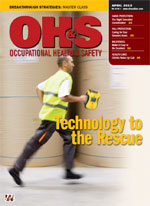
Featuring:
• HAND PROTECTION - Cross-Functional Support Ensures Success
• FALL PROTECTION - Caring for Your Greatest Asset
• DEFIBRILLATORS & CPR - Technology to the Rescue
• HEALTH CARE - OSHA in Health Care

Featuring:
• HEARING PROTECTION - Hearing Conservation in 2012
• HEAD & FACE PROTECTION - A Game Plan for These Tough Times
• ERGONOMICS - It's All About Attitude
• WORKERS COMP - The Upside to Thoroughly Explaining Benefits