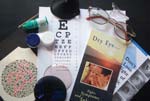
Vision issues are safety concerns when an employee cannot see his work because of an incorrect prescription, improper lighting, effects of dry eye, or age-related factors. As an eye care professional, I have worked with prescription PPE for the past 30 years and recommended to my clients they establish a comprehensive vision policy for their workforce.
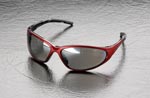
We've focused mostly on regulations and PPE--things that are usually pretty visible. Let's move on and look at reducing the need for PPE.

Workplace safety is a major concern of every employer — more now than ever before. Through the years, stringent regulation and an ever-growing concern for the health and well-being of employees have brought advancements in processes, safety procedures, and first aid protocols to treat the injured. This movement has had a profound impact on emergency equipment, including eye irrigation and personal hydration.

A new online guide from the International Association of Oil & Gas Producers' Health Committee can help to limit workers' exposures to the fluids, which can produce a variety of health effects, including contact dermatitis.
Home remains the more dangerous place to suffer an eye injury, according to a survey conducted by the American Academy of Ophthalmology and the American Society of Ocular Trauma.
The Food and Drug Administration is taking steps to improve contact lens safety by reminding consumers of the importance of following proper cleaning and storing procedures. Consumers who do not follow instructions for contact lens care and use increase their risk of serious eye infections that can lead to blindness.

A study in CDC's Morbidity and Mortality Weekly Report is timed to 2009 National Recreational Water Illness Prevention Week (May 18-24) with the aim of educating parents, instructors, pool maintenance workers, and others.
SMG's Preferred Supplier of the Year, Jon Cal Murray Distributor of the Year, and Rich Harper Commitment to Excellence Supplier and Distributor Award winners were announced April 9 at the organization's annual conference in Tampa, Fla.

Frost & Sullivan's Chemicals and Materials Research & Consulting practice predicts the country's demand for apparel, gloves, footwear, and head, vision, hearing, and respiratory protection will reach $1.7 billion in 2015.

Letters of intent to create the center are due by March 16. NIOSH expects to make one award of up to $5 million per year for five years to support the center, with the intention of making it a national information resource for all construction stakeholders.

The board of directors agreed March 3 that Brice de La Morandiere will be CEO as of April 14. This action splits Sperian's board chairman and CEO duties and completes a succession plan for Henri-Dominique Petit, who now holds both titles. He will continue as chairman.
Fewer work-related eye injuries, less absenteeism, and lower health benefit costs are only a few of the benefits participating companies may get from the program, PBA says.
Personal protective equipment is an acceptable and often required tool in many of today's workplaces, but this wasn't always so. The acceptance of PPE traveled down a long and perilous road that was paved with the toil and sacrifice of many workers.
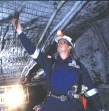
This free video from Peabody Coal Co. explains the importance of vision protection to prevent injuries among mine personnel.
Eight of its workers were treated for exposure to the organic chemical para-nitroaniline (PNA) in powder form. The penalty is based on 21 alleged willful citations, 20 of them cited on a per-employee basis.
Among the items OSHA cited after an investigation that opened in August 2008 were improper forklift operations, not providing eye protection or eye flushing stations, and improper hazardous energy control procedures during press machine maintenance and repairs.
The redesigned site includes information and selection tools for the full range of vision safety PPE offered by the Sperian Protection brand, along with articles, a trade show schedule, and more. A Culture of Safety section is under construction.

How many departments in your organization have requirements for visual inspections? How many of the codes, regulations, and legislative mandates demand that visual inspections be performed on a regular, weekly, monthly, quarterly, or annual basis? Think of the requirements for slings and wire ropes, aircraft parts, hazardous waste containers, and every commercial vehicle and load—the list goes on and on. Yet how many of those same codes have a single line that requires the inspectors (your employees) to be able to see and see correctly?