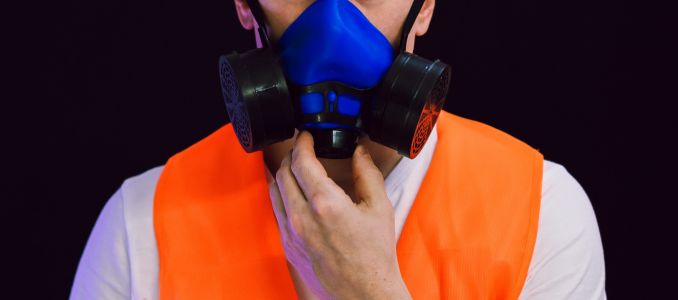
OSHA cites two Cartersville companies for repeated safety failures and exposing workers to hazardous dust and noise levels.

Backed by NFPA, bipartisan legislation aims to protect copyright for safety standards while ensuring public access when incorporated into regulations.

New industry whitepaper outlines upcoming NFPA 241 code changes and the role of wireless detection in protecting complex jobsites.
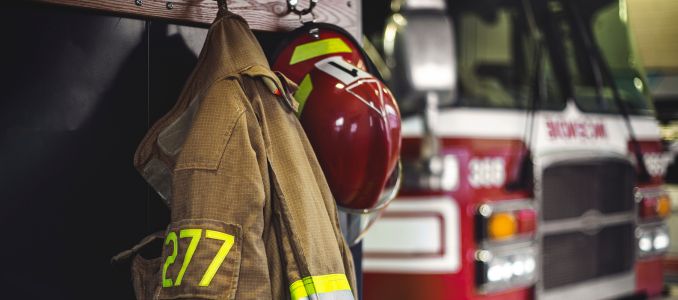
The agency’s research is being integrated into national safety standards to improve worker protection across various industrial sectors.
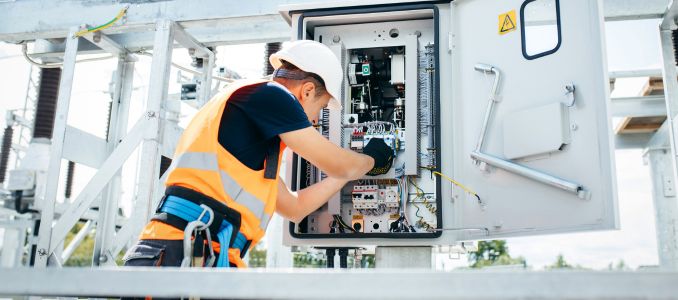
A new $2 million prize aims to catalyze engineering breakthroughs that physically prevent fatal electrical contact on the job.

Why formal safety systems in garment hubs like Vietnam and Bangladesh work best when they value the frontline observations of the sewing line.
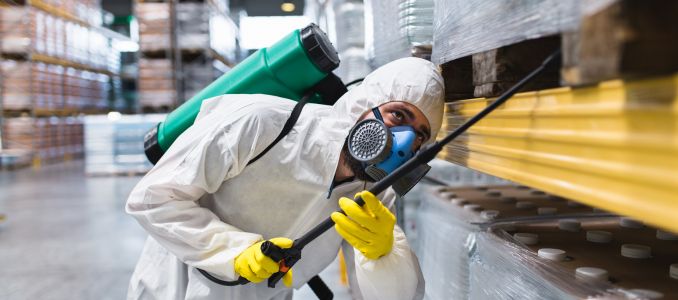
Understand why the physics behind your flow calibrator—primary versus secondary standards—dictates the legal and medical integrity of your worker exposure results.
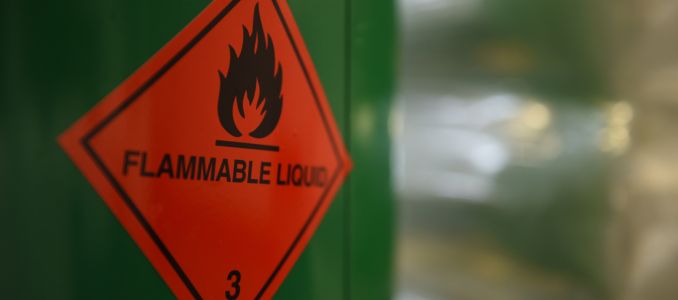
OSHA proposes $275,694 in penalties for SV Labs following a nitrocellulose blast and fire at its Prescott facility.

New agency-wide effort focuses on collaboration and compliance assistance to help employers meet federal workplace requirements.

Discover how rideshare accident risks inform better safety protocols, fatigue management, and training for mobile and contract workforces.
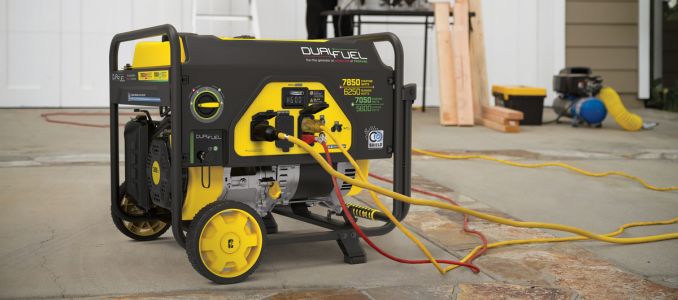
The PGMA highlights the importance of CO-shutoff technology and proper outdoor operation to protect workers from carbon monoxide risks.

A worker’s broken arm led to an investigation revealing repeat hazards and more than $326,000 in proposed federal penalties.

New federal guidelines offer a three-step roadmap for workplace safety, though experts suggest weighing participation against enforcement risks.
A new Safety Champions Program aims to help employers strengthen workplace safety through a voluntary, structured framework.

With warehouse injuries doubling across the sector, human-centric robotics are removing workers from the path of exposure without displacing them.

A new OSHA toolbox talk emphasizes that most workplace electrical fatalities occur outside traditional electrical trades and outlines practical steps employers can take to reduce risk.
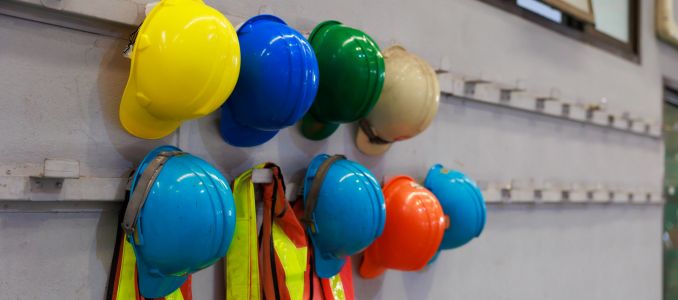
A coalition of nine safety groups petitioned OSHA to align federal regulations with modern innovations in eye, head and first aid protection.

Federal health officials expand a collaborative network aimed at integrating traditional workplace safety with broader employee well-being.

The Department of Labor and Economic Opportunity in Michigan earns recognition for integrating mental health into workplace safety standards.

The Oregon Occupational Safety and Health Division issued more than $113K in penalties to a residential contractor for repeat safety failures.