As the country prepared to reopen in the coming weeks and months, workers do not want to put themselves at risk, and employers want to ensure they will not be sued if workers get sick.
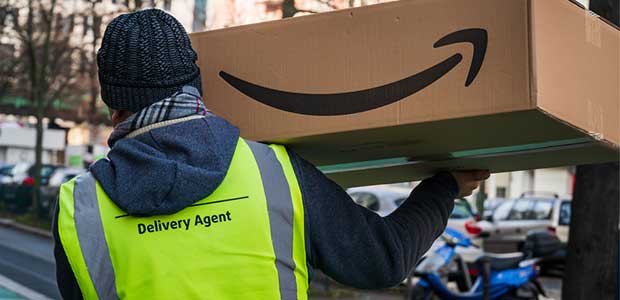
After Amazon fired two workers who raised safety concerns about COVID-19 in the workplace, one of the company’s senior engineer quit, saying he has had enough.
Words only go so far for inciting a safety culture. You need to act.

What can engineering directors and facility managers do to move their facilities closer to NFPA 70E compliance when spending has all but ground to a halt?
Businesses in retail, construction, manufacturing and package delivery should review recently issued industry-specific guidance from OSHA.
The questions of when and how the country will open after this global pandemic are undeniable ones, but there’s no doubt employers will have to operate workplaces differently. The National Safety Council and others are working to help them in that process.

One popular question is: are workers eligible for workers' compensation benefits if they are exposed to COVID-19 on the job and must be out of work?
The CDC published an interim guidance for critical workers who may have been exposed to a person with suspected or confirmed COVID-19.
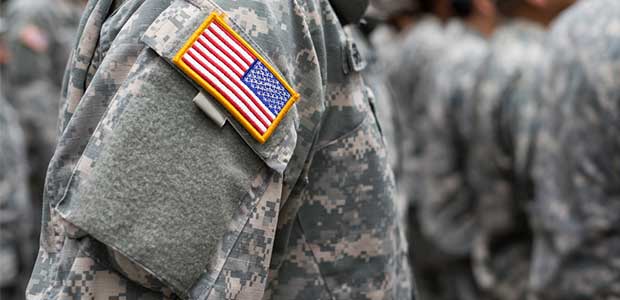
Military service can take its toll on veterans' mental and physical health. When hiring veterans, there are many things employers can do to make their work environments safer
OSHA has issued an alert listing safety tips employers can follow to help protect package delivery workers from exposure to coronavirus.
This week, OSHA issued interim guidance on employers’ duties as they relate to recording cases of COVID-19.
Taken from its guidelines on preparing workplaces for the coronavirus, OSHA’s worker exposure chart is a one-page chart on evaluating your workspace’s risk level to COVID-19.
During this coronavirus pandemic, the Department of Labor reminds employers that they cannot punish workers for reporting unsafe conditions.
The Department of Labor just published OSHA’s new workplace poster—in English and Spanish—for reducing worker risk to the coronavirus. Read its recommended 10 steps.
With America’s essential workers carrying the country at the moment, their safety is incredibly important. The National Safety Council calls for their protection and safety.
Hygiene is important always, but during this time of this pandemic, here are some COVID-19 work practices for workers handling waste and recycling products.
According to a recent study, nearly 45 percent of adults say the pandemic has affected their mental health—even with differences in occupation, location and more. Some are calling it now a nationwide, psychological trauma.

Whole Foods and Amazon employees have been speaking out about the lack of protections and PPE they’ve received since the start of this pandemic. Since an organized walkout this week, worker frustrations are coming to a culmination.
Safety in the workplace is just as much about injury as it is about emotional and mental wellness.
During the COVID-19 pandemic, governments local and federal have asked nonessential businesses to close or suspend operation. Many states are considering construction as essential—and the industry hopes to take that to the federal level.