Earlier this week, casino workers sued Las Vegas casinos after reports that many workers fell ill to COVID-19. The lawsuit complains that the casinos did not require workers to wear face masks.
Diabetes affects many workers, and it's important to know how to prioritize their health and manage unique risks.
As the second day of ASSP’s Virtual Safety show for 2020 wraps up, I am absorbing as much as I can about the industry and what the future holds. One discussion I found poignant to myself—and nearly every industry person—was the discussion of Millennials in the workplace.

Worker engagement seems like a no-brainer, and ideally, it is. But worker engagement is hard to achieve, and you might be looking at it wrong.
During the first full day of sessions at the American Society of Safety Professionals’ Safety 2020 Virtual Conference and Expo, a panel on diversity and inclusion really stood out.

Some contractors are finding a productivity boost from another type of equipment: Hydrodemolition robots.
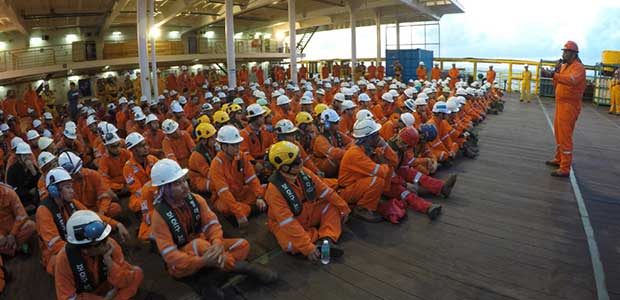
Challenges like inconsistency and meaningless data hold many companies back. But is it actually worth it to use leading indicators? The answer is a resounding 'yes.'
As the country reopens, NSC safety advocates warn employers to prepare for a surge in addiction issues and offer guidance for proper handling.
Hiring neurodiverse employees is shown to improve workplace productivity and functionality. Here are some laws you need to know when hiring and employing neurodiverse individuals.
The COVID-19 pandemic has taken its toll on nursing homes around the country. Not only are many elders falling ill, but many nursing home and care workers are trying to mitigate the responsibilities of their job and others’ safety.

Maximize employee safety and wellness initiatives through a behavior-based safety process as part of an employee recognition program.

There is one major reason why safety training fails to stick: knowledge transfer.

Mask ordinances vary by state and county, and many people believe the US is past the worst of the pandemic. But as workers in essential business are saying, they feel safe among themselves (with PPE and sanitation), but many customers are throwing caution to the wind.

We’ve heard about ways to avoid burnout in various jobs, but what about burnout when working from home? Here are some things to watch out for and some tips on how to avoid it.
As businesses begin to reopen, many Americans are still wary of going to work, or cannot because they lack access to childcare. Here’s what you need to know, according to one NPR article.

It’s no question that medical workers suffer some traumatic and difficult situations on the job, but during the pandemic, their mental health has taken a very hard hit. One article recounts the stories of some workers’ struggles with PTSD, anxiety and even suicide during this time.
Despite reports of Tesla CEO Elon Musk disobeying government orders to reopen his car factories, the famous vehicle manufacturer has released a Return to Work Playbook.
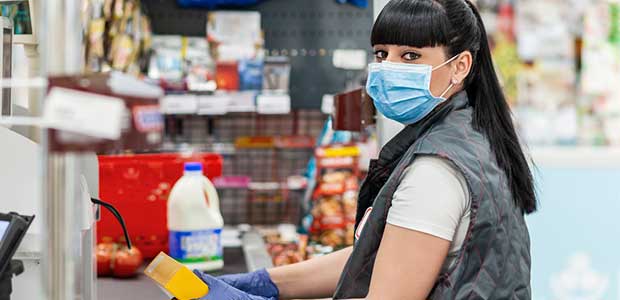
Worried about contracting the virus at work? Here are some things you can do and some recommendations for approaching the situation.
You may think you should avoid conducting employee engagement assessments during a pandemic, but assessing engagement during tough time is actually the best way to find the truth.
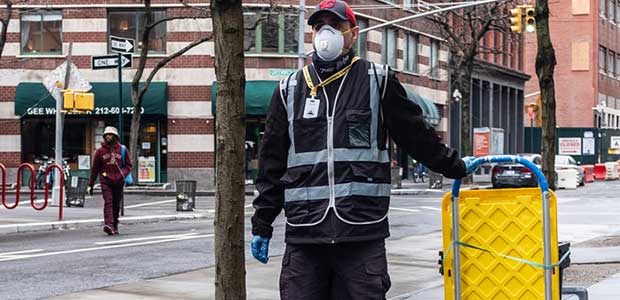
If you’re an essential worker and choose not to work for fear of coronavirus infection, chances are you will not be eligible for unemployment benefits.