Episode 57
Should employers be thinking outside the box when it comes to workplace impairment? Can organizations pinpoint the hour in which workers are most likely to get injured? And are we getting a third COVID-19 vaccine? Find out on this mini episode of OH&S SafetyPod.

As the workforce alters with the long-term effects of the pandemic, companies are expanding their benefits for employees.

The AIHA was awarded $500,000 from the CDC for the development of worker safety resources.
Episode 47
In this episode of the podcast, Editor Sydny Shepard walks listeners through what she believes will be the biggest safety trends in 2021.
Employers should consider encouraging a culture that allows open discussion regarding safety concerns in the workplace and allows employees to raise such concerns with their managers.

Remote work isn’t likely to go away anytime soon, and neither should the focus on physical and mental health in the workplace.
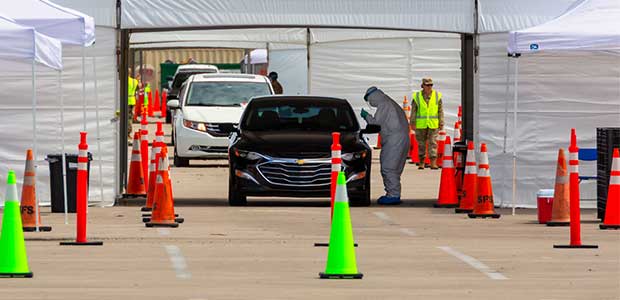
As businesses continue to grapple with the question of how to reopen safely, a number of big tech names are stepping up and offering testing and contact tracing COVID services to employers.

One New York Times article explores the ways in which companies are adjusting to remote working. If you or your company are struggling to work from home well, there’s a chance you could be missing these key pointers.
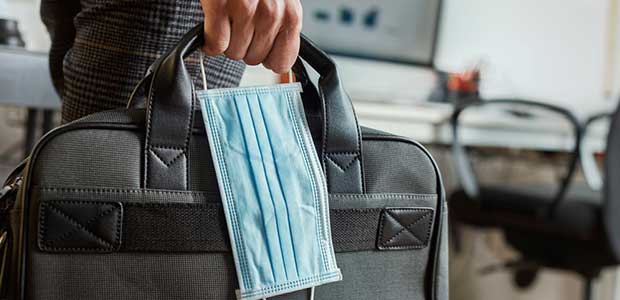
Some office workspaces have returned to in-person work again, and that is leaving a number of workers anxious, stressed and ashamed of their sanitation efforts—or lack thereof. Here’s how to manage that anxiety, and how to talk to your employer.
OSHA recently ordered JHOS Logistics and Transportation Inc. to reinstate an employee who had been terminated for refusing to drive an overweight vehicle at a California facility. OSHA is also charging the company $190,000 back in wages, $25,000 in punitive damages and $5,000 in compensatory damages and attorney fees.
However, it’s not always clear that going beyond just “expressing” value for safety is expected on all levels. Here are some self-reflective questions you can ask yourself to keep your company in safety check.
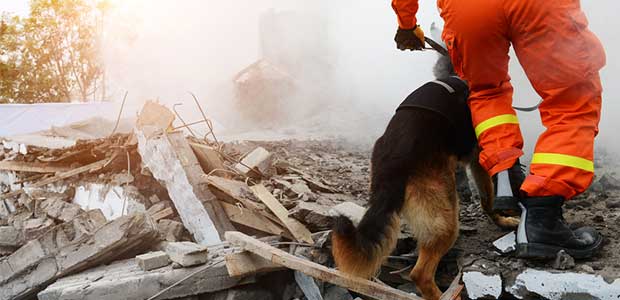
The National Resource Defense Council (NRDC) just released a report that argues how climate disruption is a growing danger to the health of indoor and outdoor workers. Read what the NRDC and researchers have to say.
The Canadian Centre for Occupational Health and Safety (CCOHS) is inviting women enrolled in post-secondary education who are pursuing careers in the field of occupational health and safety to apply for the Chad Bradley Scholarship Award.
On July 26, the United States will recognized the 30-year-anniversary of the landmark Americans with Disabilities Act of 1990 (ADA).
Many businesses in America are beginning to reopen or thinking about reopening. However, your employer should ensure he or she is making the following precautionary, coronavirus steps before operating as usual.

Pregnancy discrimination in the workplace—direct or indirect—can have effects on the woman and baby’s health. Make sure you are supporting and respecting your pregnant workers, especially with new legislation.
Every year, thousands of workplace injuries and illnesses occur. No matter how prepared you are for the next incident, it is clear organizations could use some help. Check out OSHA's top 10 violations and ways you can actively prevent them.
The fight to give workers more days off for paid sick leave is not a new fight, but the recent pandemic has made advocates for this benefit much louder. Now, Colorado has put a somewhat comprehensive one into law.
While public contact tracing apps released by governments have attracted much (negative) attention, business contact tracing solutions play a different but hugely important role in slowing the spread of Covid-19.

Three months since the coronavirus sent millions of Americans out of their offices to work from home, businesses are realizing that working from home is possible. Telecommuting does not have the best track record, but things are changing.