A USA Today article answers all your questions about what your employer can and cannot ask you to, and if you have to come into work during this time.

Many industries face high levels of burnout, but the healthcare profession ranks at the top—especially in today’s coronavirus times. One organizational psychologist provides insight on how to fight burnout in three ways.
Many postal service workers are growing increasingly concerned for their health and safety as they struggle to gain access to protective supplies like gloves and sanitizer.

We stand together by standing apart.

While most of us are staying home and social distancing, some workers are not that lucky. Among those most at risk of COVID-19 are janitors, domestic workers, housekeeping and office cleaning crews.

While not all Americans are able or fortunate enough to work from home, many have transitioned to telecommuting and virtual work over the last week or two. Here are some ways you can get your work done and stay healthy while working from home.

A new virus first discovered in Wuhan City, Hubei Province, China in late 2019 is rapidly spreading across the globe, bringing unique challenges and issues for employers. Employers need to be aware of the relevant workplace safety laws at issue, as well as the potential for discrimination based on irrational xenophobic fears.

International Women’s Day on March 8 is all about understanding gender equality and diversity—especially in the workforce. Here are some tips on encouraging more women to join, and stay in, the construction industry.

Competitive pay, benefits, and flexibility all influence employees’ contentment and productivity in the workplace; however, recent studies show that employee recognition is potentially the most important.
The key to a good leader is not just someone who asks the “why” behind a problem; they also ask the “what” and the “how.”
After the US Department of Labor found out a railway retaliated against a whistleblower, the Colorado US District Court has cited the railway to pay thousands.

Google says it fired four workers for violating company policy, but workers are saying the company is punishing them for speaking out about company ethics.
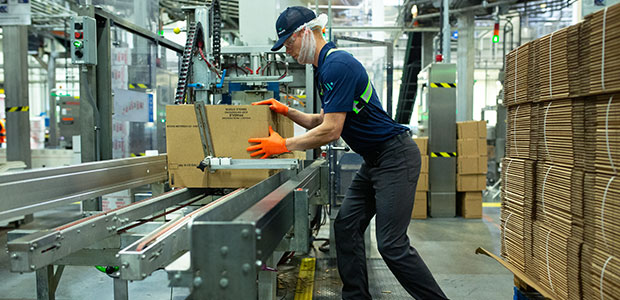
Below are three innovative ways that organizations are investing in their employees to set themselves up for the next decade, while protecting themselves from the current manufacturing downturn.
The deadline for electronically reporting your OSHA Form 300A data for the 2019 year is fast approaching.

A recent report by the Bureau of Labor statistics reveals that companies are losing more and more employees to suicide—and they don’t really know what to do about it.
More and more seniors are staying in the the workforce, and this means companies need to understand how to best utilize and protect them.

Seventy-five percent of employees are more likely to stay with their employer because of the benefits package. How often should you review your benefits program?

High national employment rates means difficult hiring processes and lower worker retention rates. How do we maintain employee engagement in today's economy?

Occupational burnout is understood as chronic workplace stress that is not efficiently managed. Here are some key ways to manage your stress levels and avoid burnout.

Recent data suggests that many people’s musculoskeletal issues are exacerbated, or caused, by their job.