Recommendations in the downloadable document are consistent with
OSHA's Personal Protective Equipment Standard (29 CFR 1910.132-138)
and presented in the context of thermal spraying, the society says.
"Handling dangerous chemicals, electrical hazards, and machine
guarding problems are issues that should not exist at any worksite,"
said Richard Gilgrist, director of OSHA's area office in Cincinnati.
Workplace safety professionals who want the ability to interact with each other more than just once a year at trade shows and conferences now have a new resource.
Themed "Navigating the Future of EHS&S," the event is scheduled for Sept. 7-10 at the Hyatt Regency at Nicollet Mall in Minneapolis.
An internal NIST committee found that a failure in the safety management system, exacerbated by a "casual and informal research environment that appears to have valued research results above safety considerations," is the most probable root cause of the incident.
Anhydrous ammonia is one of the most dangerous chemicals used in refrigeration and agriculture today, EPA noted. Those who work with it must be trained to follow exact handling procedures.
The regulation was enacted without notice because it adopts prohibitions verbatim from a 2007 law.
The agency says that even though the pesticide is used on only a small percentage of the U.S. food supply, making the likelihood of exposure through food low, it has identified risks that do not meet the agency's rigorous food safety standards.
More than 75,000 DVDs resulting from CSB investigations have been distributed to industry and labor groups, government agencies, safety trainers, educators, emergency responders, and individual requesters throughout the world, the agency said.
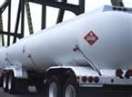
July 31 meeting in Washington, D.C., comes 100 years after the U.S. hazmat transportation safety program began with enactment of the Transportation of Explosives and Other Dangerous Articles Act.
A University of Washington study of top-selling laundry products and air fresheners found the products emitted dozens of different chemicals. All six products tested gave off at least one chemical regulated as toxic or hazardous under federal laws, but none of those chemicals was listed on the product labels.
Several highly publicized explosions and fires in the refining and fuel storage industries have resulted from vapor leaks followed by ignition. Heavily regulated by governments throughout the world, refineries and similar energy industries have a responsibility to ensure any explosion risk is kept to a minimum.
The selection of any protective garment is complicated and carries the potential for serious consequences should the decision prove to be incorrect or the selection in any way inadequate. For this reason, standards bodies, vendors, customers, and workers are engaged -- often in the pages of this very magazine -- in ongoing conversations to determine the appropriate levels of protection for a given task.
Each year, the Commercial Vehicle Safety Alliance recognizes the best roadside inspectors by inviting member jurisdictions from across North America to participate in the event, comprised of timed competitions in various categories.
"Our big take-home message is, wear self-contained breathing apparatus during all phases of firefighting," said co-author Suzanne Snedeker. "Put on the gear before arriving at a fire and don't take it off until the operation or inspection is completed, even during fire inspections conducted days later when chemicals can still outgas from charred remains."
Failing to follow labeling instructions and allowing two pesticides--Direx 4L and Garlon 4--to enter a Northern California waterway were violations of the federal Insecticide, Fungicide, and Rodenticide Act and the Clean Water Act, EPA said.
"Before implementing such significant fee increases, DOT must demonstrate why the additional funds are needed and specifically how they will be spent," said Jennifer Gibson, NACD vice president of Government Affairs.
The association also outlines the problems that would occur, including substantial transportation cost increases, shipment delays, and opportunities for loading and unloading incidents, if railroads were to be relieved of their common carrier obligation and the transportation of TIH materials had to be shifted to trucks.
Committee F20 has nine technical subcommittees that maintain jurisdiction over 55 standards.
The document is intended to address scientific uncertainties about occupational exposure and toxicity issues related to asbestos fibers and other elongated mineral particles.