Facilities that could potentially release highly hazardous chemicals resulting in toxic fire or explosion hazards are the focus of a national emphasis program (NEP) developed by OSHA. The program establishes policies and procedures for inspecting workplaces that are covered by OSHA's process safety management (PSM) standard.
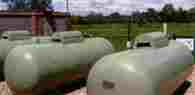
The government's report on the May 2004 explosion and collapse of the ICL Plastics factory in Glasgow, caused by a gas leak, was released this month. A timetable to replace 210,000 commercial and home installations has been agreed to, and a push is on to hire and train gas engineers.
Facilities are required to update and resubmit their risk management plan at least once every five years; the plans are used by EPA to assess chemical risks to surrounding communities and to prepare for emergency responses.

The program, which will cost as much as $28 million, is similar but smaller than the Clean Trucks Program of the ports of Los Angeles and Long Beach.
“The illegal export of e-waste to other countries is a big problem,” said Ed Kowalski, director of the Office of Compliance and Enforcement in EPA’s Seattle office. Color computer monitors contain an average of four pounds of lead. CRTs may also contain mercury, cadmium, and arsenic.
The current rule requires air quality monitoring in areas where any industry emits at least one ton of lead to the air each year, and in the 101 urban areas with populations of 500,000 or more.
Fall hazards, lack of personal protective equipment, and deficiencies in the plant's confined space, respirator, and lockout/tagout programs are among the 73 safety violations cited in an inspection conducted by OSHA's Concord Area Office.
Chlorofluorocarbon refrigerants deplete the stratospheric, or "good" ozone layer, allowing dangerous amounts of cancer-causing ultraviolet rays from the sun to strike the earth, EPA notes. Production of some of these chemicals was stopped in 1995, and federal law strictly controls their use and handling.
The company is subject to the dry cleaning rule of the national emission standards for hazardous air pollutants because it uses perchloroethylene in its dry cleaning process. EPA says perchloroethylene may cause serious health effects including birth defects and cancer, and it may also cause harmful environmental and ecological effects.
Toxic substances and near shore health and runoff will be among the principal areas of focus over the course of the two weeks of meetings.
ACCSH advises the secretary of labor and the assistant secretary of labor for OSHA in the formulation of standards affecting the construction industry and on policy matters arising in the administration of the safety and health provisions of the Contract Work Hours and Safety Standards Act and the OSH Act of 1970.
Released June 29, EPA's list of 44 ponds nationwide that are assigned a high hazard potential rating, meaning a failure probably would cause fatalities, included 12 North Carolina sites -- the most of any state.
In the course of redeveloping the property for residential reuse, a sludge lagoon area containing arsenic, cadmium, chromium, lead, and silver was excavated, and the contaminated material was improperly sent to a landfill in Rochester, N.H., that was not licensed or designed to accept hazardous waste.
The agency estimates it will take three to four months to clean the four-acre site that once held both an auto salvage shop and a gas station, situated a half mile from the center of town in a mixed residential and commercial area.
Called a "revolutionary tool," it will allow the public to track environmental exposures and chronic health conditions.

The union provides training for jobs in solar, wind, biomass, nuclear, and clean coal, while firefighters are discussing how to work around solar panels, wind turbines, and other renewable energy systems in homes where they are responding.
Under the settlement, G-I will take immediate steps at the VAG Site by constructing fencing, gates, and road barriers to restrict public access; providing onsite surveillance and securing the mill buildings. The company also will monitor air emissions from the piles; conduct dust suppression, if necessary, and provide support to EPA and Vermont for future sampling and monitoring.
In addition, EPA alleges the manufacturer violated notification and recordkeeping requirements and requirements to continuously monitor emissions from its boilers.
The National Emergency Grant funds will increase the overall approved number of participants in the temporary work program from 600 to 767 and extend the project through Dec. 31, 2009.
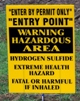
With rigs in use in many non-traditional areas, emergency responders and company health and safety professionals must work together.