The proposed “Strengthening Pipeline Safety and Enforcement Act of 2010” would increase from $1 million to $2.5 million the maximum fine for the most serious violations involving deaths, injuries, or major environmental harm. It also would provide additional resources for the enforcement program by authorizing 40 additional inspection and enforcement personnel over four years.
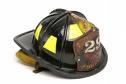
"Respiratory Diseases and the Fire Service" addresses smoking, pulmonary function testing, World Trade Center responders' respiratory diseases, disaster-related infections, and much more.
"Even with employees covered head to toe in dust, the company still failed to provide breathing protection and other controls," said Assistant Secretary Dr. David Michaels.

Recommendation #6 from the Chemical Emergencies Work Group supports a bill using an approach to inherently safer technologies (IST) that the U.S. chemical industry opposes.
An inspection’s sampling of water from various locations on the property confirmed the discharge of boron, arsenic, copper, ammonia, zinc, chromium, cobalt, manganese, nickel, selenium, aluminum, barium, cadmium, and 2-Butanone into the Weaver Branch tributary.
The U.S. Chemical Safety Board is responding to a congressional mandate for a yearlong, $575,000 study by the National Academy of Sciences on how to reduce or eliminate the stockpile at Bayer CropScience's plant in Institute, W.Va.
The citations allege, among other things, that the company did not take air samples as required for workers who were overexposed to airborne lead nor provide the required annual training associated with the hazards. An additional willful violation alleges that the company stopped providing hearing tests to employees overexposed to noise.

The Health and Safety Executive last week said the combined fatality and major injury rate for offshore oil and gas in 2009-2010 almost doubled the previous year's rate.
Collecting optional additional information, including U.S. passport numbers, will help state programs forecast driver retention, transfer rates, and drop rates, the agency predicts.
The violations include inadequate hearing and respiratory protection programs, electrical hazards, improper use of compressed air, as well as employee exposure to silica, lead, and manganese fumes.
"We are concerned that wastes from mineral processing and associated fertilizer production can pose a serious risk to our nation’s drinking water and the health of families," said Cynthia Giles, assistant administrator for EPA’s Office of Enforcement and Compliance Assurance.
In addition to 18 serious citations, the company received four repeat citations, in part for failing to develop an energy control program, develop and implement a written hazard communication program, and train workers on chemical hazards in their work area.
An extensive accident investigation conducted by PHMSA found Enbridge failed to safely and adequately perform maintenance and repair activities, clear the designated work area from possible sources of ignition, and hire properly trained and qualified workers.
"The company even knew its workers suffered from lead poisoning, yet avoided proper medical attention in favor of providing an unapproved and potentially unsafe treatment," said Assistant Secretary of Labor for OSHA Dr. David Michaels.

Building on their 2007 arrangement signed ahead of the 2008 Beijing Olympics, this document continues their cooperation and pledges them to work together on nuclear security in East Asia.
DHS seeks the information from 1,274 "high-risk" facilities that may sell, transfer, or commercially apply products, such as pesticides and fertilizers, that contain chemicals on the agency's list.
According to DOJ, the company, which treats wastewater in a facility separate from its cheese-making plant, repeatedly violated its National Pollutant Discharge Elimination System (NPDES) permit over a period of three years, affecting a waterway that flows into the Boise River, a salmon habitat.
OSHA head Dr. David Michaels said employers are allegedly withholding written certificates attesting successful completion of HAZWOPER training to prevent workers from leaving their employ.
The standard covers electrical and fire safety, VOC emissions, materials safety, and stability and load performance, and it includes requirements for desks, chairs, tables, visual communication products, audio-visual equipment, seating equipment, flooring, lab equipment, and more.
"The Kansas Department of Health and Environment’s extensive monitoring system helps locate waters in need of our attention. We now must take action to clean them up,” said EPA Region 7 Administrator Karl Brooks.