
With the right strategies and tools, you’ll overcome the challenges and create an industrial hygiene program that protects your most important asset—your employees.
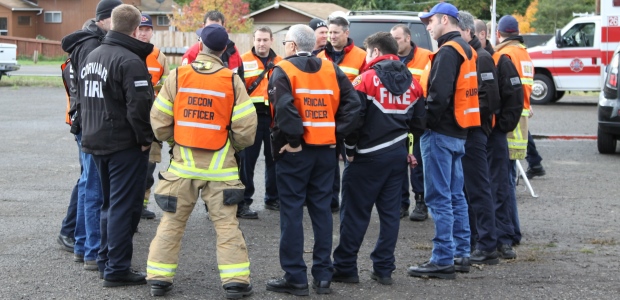
If employees take the wrong response actions, don’t know what to do, or try to perform jobs they are not capable of, the resulting mistakes, confusion, and disarray will stand in the way of a safe response.
The explosion occurred at the company’s Pulp and Paper Mill during hot work activities during the facility’s annual shutdown, killing three contract workers and injuring seven others.
In 2015, the news about the high lead levels in Flint, Michigan’s drinking water caused the nation to focus its attention on lead.
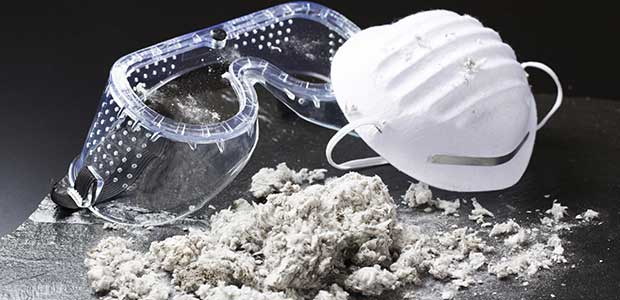
"We are calling on everyone, including employers, to do the right thing; to protect the people who work for them," IOSH President Craig Foyle said. "IOSH has an array of resources designed to assist employers put measures in place which protect their workforce."
Representatives of the Department of Labor's Office of the Ombudsman for the EEOICPA, the Ombudsman to NIOSH for the EEOICPA, and DOE's Former Worker Medical Screening Program will be on hand. After the presentation, staffers will answer questions regarding existing claims, provide claim status updates, and help workers file new claims.
More than 600 million freight containers are shipped worldwide each year. To prevent damaging the goods, these containers are often treated with pesticides and other agents that have known toxic or irritant properties and can have long-term effects on the cardiovascular and central nervous systems.
The presentation took place during the 2018 DOE Project Management Workshop held in Arlington, Va. The TWF project at Los Alamos National Laboratory is NNSA's first Hazard Category 2 Nuclear Facility project completed under budget.
The train will stop in 23 cities this year as part of Norfolk Southern's Operation Awareness & Response program, which provides free training to first responders on how to safely respond to a potential rail hazmat incident.
The board also will consider and possibly vote on a proposed change to Board Order 022, the CSB Recommendations Program, which is how the independent agency hopes to prevent serious accidents. Recommendations are included in CSB final reports.
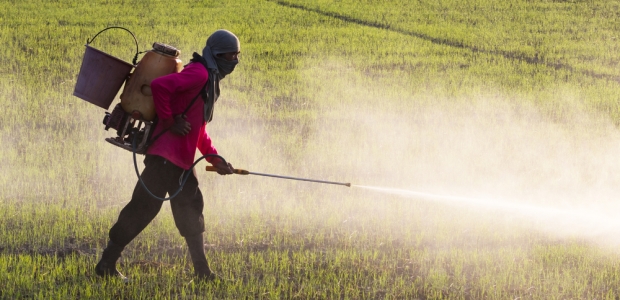
Because the damage caused by chemical fertilizers is often long-term and cumulative, it may be wiser to consider alternative and sustainable methods of fertilizing the soil.
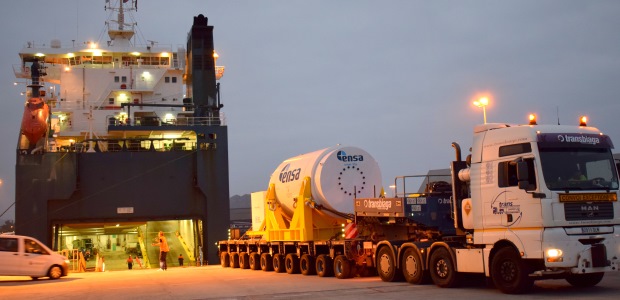
The eight-month test involved a waste transportation and storage cask fresh off the assembly line being loaded with three surrogate fuel rod assemblies from the United States, Spain, and South Korea and then traveling from Spain to Colorado and back again by truck, ship, and train.
At least two people are injured and one person is missing after two explosions March 15 at a chemical plant in Hood County, Texas.
The campaign will address dangerous substances that can cause chronic or acute illness, such as respiratory diseases, cancer, mesothelioma, poisoning, skin diseases, reproductive problems and birth defects, and allergies.
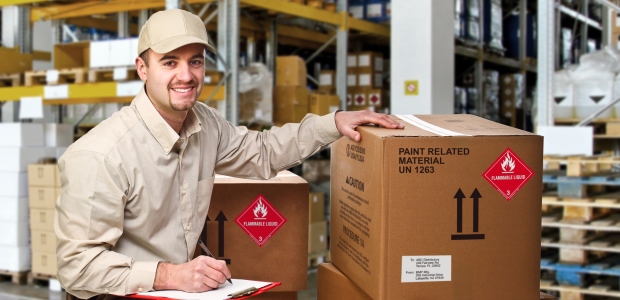
Yes, for now. But the world will need a new crop of dedicated dangerous goods professionals to ensure hazmat reaches its destination, safely and on time.
A public meeting has been scheduled for March 14 at 5 p.m. in Richland, Wash., so area residents can learn more about the plans to finish filling and stabilizing two large tunnels there that have been used to store contaminated waste.
"Steve's investigative experience, together with his leadership experience in both the government and private sector, will be a tremendous asset to leading our investigations and recommendations division," CSB Chairperson Vanessa Allen Sutherland said.
A May 2017 court order required the defendants to comply with the 2011 consent decree, but HPI and Garvey continue to store thousands of pounds of uncharacterized, often unidentified, chemicals, some with labels indicating they have been stored for a dozen years or more, according to DOJ, which said many of HPI's facilities lack functional fire suppression equipment.

SPONSORED
U.S. DOT, along with other federal agencies, recently released a semiannual Agenda of rulemaking activities, many of which will impact hazardous materials professionals in 2018. The five rulemakings, in progress now, are all scheduled to be published as final rules before Fall 2018.
Before EPA adopted the changes, many of Washington's rules were stricter and more protective than federal requirements. For example, new regulations for medical evaluations, respirator fit testing, and training bring federal requirements up to standards that have been in place in Washington for more than 20 years.