It supports requiring more management system elements and recommends that OSHA include some improvements based on the consensus ANSI/AIHA Z10 standard.
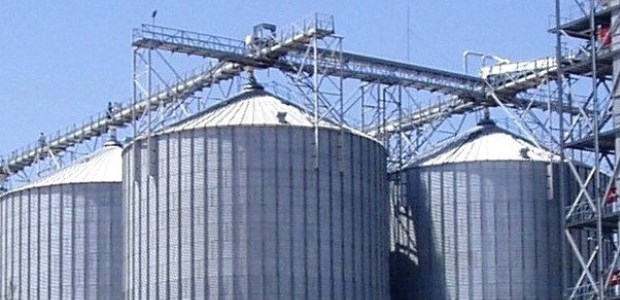
The active ingredient in a fumigant used to kill insects in grain bins, railcars, ships, shipping containers, and warehouses, it produces phosphine, a toxic and potentially explosive gas. Fumigation Management Plans are required.
The plan calls for Tank 396, which leaked 4-Methylcyclohexanemethanol (MCHM) and PPH into the Elk River in January 2014, contaminating the potable water supply for 300,000 West Virginians, to be cleaned and sandblasted. The Chemical Safety Board will retain the floor section of the tank.
Consolidated Nuclear Security—whose members are Bechtel National, Inc., Lockheed Martin Services, Inc., ATK Launch Systems Inc., SOC LLC, and Booz Allen Hamilton, Inc.as a teaming subcontractor—will manage the operations. The two facilities maintain the U.S. nuclear weapons stockpile.
The agency wants more input about a request for information published in December 2013 as part of the multi-agency process to improve chemical facility safety.
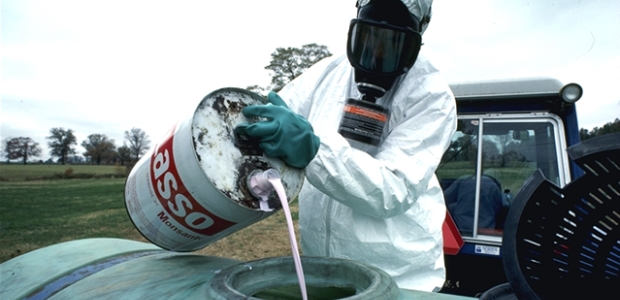
It covers head-to-toe protection, including charts comparing the protection of various coverall types and chemical-resistant glove options.
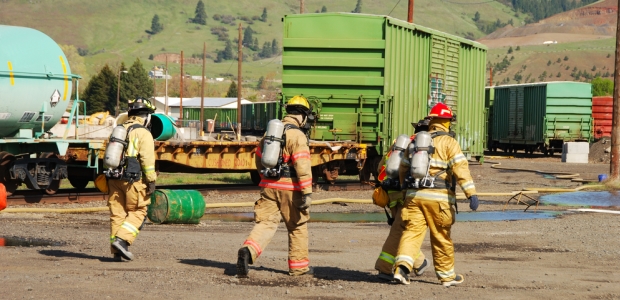
Even with the best standard operating procedures, spills can still happen--often when they are least expected.

While the Association of American Railroads supports requiring older tank cars used to transport flammable liquids to be retrofitted or phased out, many other stakeholders firmly oppose a retrofit.
Thirteen employees of DOE's Waste Isolation Pilot Plant near Carlsbad, N.M., were notified Feb. 26 that they have tested positive for radiological contamination after being exposed on Feb. 14.
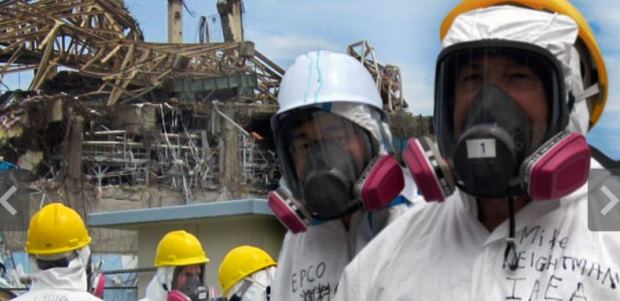
Six meetings of international experts have been held as part of the Action Plan on Nuclear Safety that followed the Fukushima Daiichi Nuclear Power Plant crisis.
The emergency order requires shippers to test oil from the Bakken region to ensure proper classification before it is shipped by rail.
Federal Railroad Administrator Joe Szabo said his agency will issue a final rule this year, followed by a requirement that freight carriers develop Risk Reduction programs.
An OSHA final rule indicates the Hawaii Department of Labor and Industrial Relations has taken steps to rebuild the agency's capacity after budget and staffing constraints affected the state program.

The commission declined to implement the Globally Harmonized System of Classification and Labeling of Chemicals, GHS, to which OSHA's HazCom Standard has been harmonized.
The state's Interagency Working Group on Refinery Safety released the report Feb. 13. It recommends making inherently safer technologies mandatory for the 21 refineries in the state, as well as root cause analysis after significant incidents.

These are the three of the top issues likely to be on states’ legislative and regulatory agendas this year, according to AIHA government affairs Director Aaron Trippler's forecast.
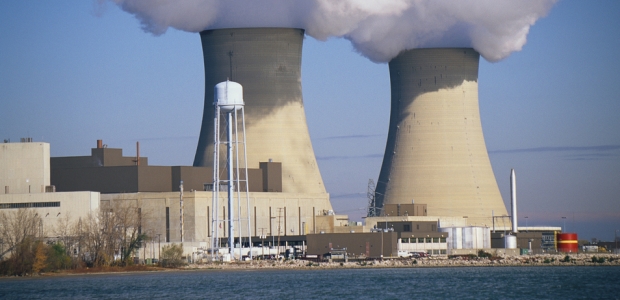
The agency's standards for nuclear power operations date to 1977 and are the earliest radiation rules it has developed.
Two companies with existing terminals located on the Houston Ship Channel have filed letters of intent and Waterways Suitability Assessments for their planned Liquefied Hazardous Gas facility expansions.

The agency's board won't vote on a draft final investigative report at the Jan. 30 meeting in Anacortes, Wash., but investigators will deliver a presentation about their draft report.

For the first time, the safety agency's recommendations are issued in conjunction with the Transportation Safety Board of Canada.