As a number of wildfires burn in California, OSHA reminds employers to be mindful of air quality regulations and protect employees from unhealthy wildfire smoke.
OSHA has cited AB Specialty Silicones LLC with 12 willful federal safety violations after four employees suffered fatal injuries in an explosion and fire at the company's plant on May 3, 2019.

October 6-12 was Fire Prevention Week, and the National Safety Council has compiled a handful of tips for fires: how to prevent them and how to react to them safely.
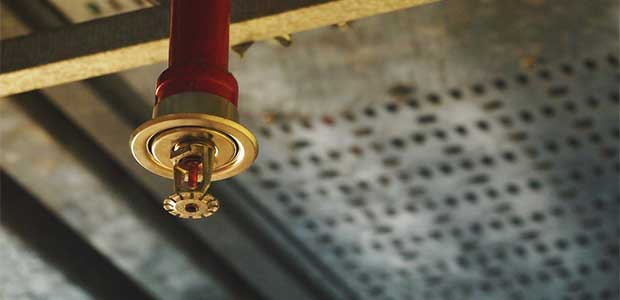
The importance of implementing loss prevention and mitigation techniques that are specifically written for the chemical processing industry.
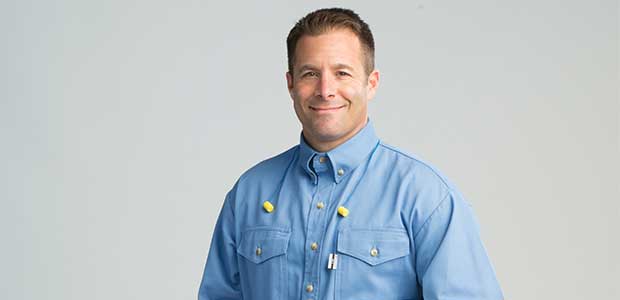
Appropriate base layers for electrical workers are a useful element in an AR/FR garment system.

Companies should keep in mind that while standards are in place for a reason, exceeding them will always create a safer workplace.
Overexertion, stress, and medical issues accounted for by far the largest share of deaths. While cardiac-related events have accounted for 44 percent of the on-duty deaths over the past 10 years, 2018 represents the third consecutive year they were below 30.
The safety board's report on a 2017 school bus fire that killed a 74-year-old school bus driver and a 16-year-old student passenger near Oakland, Iowa, includes recommendations concerning safety equipment on school buses, physical performance tests for school bus drivers, and a recommendation that the state of Iowa require twice-yearly, documented school bus evacuation training and drills.
OSHA's news release said its inspectors determined that Southern Tire Mart exposed employees to struck-by, tire explosion, fire, and smoke hazards and failed to provide a restraining device or barrier and to implement lockout/tagout procedures as required.
The 2019 recipient of the Standards Medal, the top award given by the NFPA Standards Council, is Stephen J. King, III, whose 30-year career began with the Fire Department of New York, where he rose through the ranks to become commander for Battalion 54. King was the city-wide safety chief on September 11, 2001, when the World Trade Center buildings were struck by hijacked airplanes.
"Providing workers with a safe and healthful workplace is required of every employer," said OSHA Area Director Christopher Robinson in Pittsburgh, Pa. "This tragedy could have been prevented if the employer had followed safety processes to control the release of gases from highly hazardous chemicals."
By the end of 2019, PG&E plans to have at least 600 weather stations and 100 high-definition cameras in high fire-threat areas.

House Bill 595 adds bladder and kidney, or renal cell cancers to the types of cancers considered as occupational diseases for firefighters under the workers' compensation law. The other bill will expand workers' compensation coverage by closing loopholes regarding cumulative time served.
Sprinklers are present in just 1 percent of the incidents at care homes, retirement homes, and hostels to which Brigade fire crews respond; of the 428 fires responded to by London firefighters at such facilities during 2017, only five of the facilities had fire sprinklers.

Fires have the highest casualty rate of workplace accidents, but there are ways to mitigate risk.
"We are also pleased to welcome Christopher Hart as an independent safety advisor," said John Simon, interim CEO of the corporation. "We welcome his insights as we confront the growing wildfire threat and commit to advancing the highest standards of transparency and safety."

"Fire sprinklers have been a U.S. model building code requirement since 2009, yet challenges to its adoption still exist. Taking action collectively will send a powerful message that fire sprinklers are widely accepted and must be embraced in every state," said NFPA Vice President of Outreach and Advocacy Lorraine Carli.
First responders may encounter hazmat issues, thermal runaway concerns, battery explosion and re-ignition, and off-gassing when responding to fires involving energy storage and photovoltaic equipment.

Accounting for employees in the event of an emergency is vital. The Emergency Action Plan should address how to accurately account for all employees.
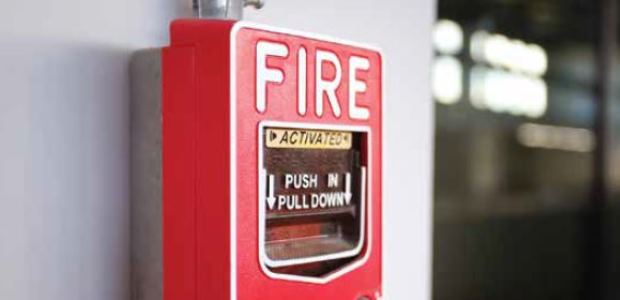
Smoke alarms, carbon dioxide detectors, and hazardous gas sensors need to be tested and sometimes calibrated regularly to ensure they will function properly when needed.