A study of nearly 13,000 rescue workers from the Fire Department of the City of New York (FDNY) shows that the significant proportion who suffered acute lung damage after exposure to World Trade Center (WTC) dust have not recovered normal lung function in the years since the Sept. 11, 2001 terrorist attacks.
In addition to the combustible dust violations, an inspection found that the Delaware company failed to provide fire retardant clothing for employees and require them to wear adequate eye protection with side shields, among other hazards.
Based on the violations found, total penalties assessed would amount to $125,000 if the employer was in the private sector, but under the law, federal agencies are cited without penalties.

A March 19 memo sent to regional administrators and state plans by Richard Fairfax and Steve Witt, who head the OSHA enforcement and state programs units, clarifies when citations should be issued for failing to provide it.

Previous meetings in this series addressing combustible dust hazards were held in Washington, D.C., and Atlanta. OSHA will consider participants' comments in developing its proposed standard on the issue.
Among the 18 serious hazards the agency cited are the company’s failure to protect workers from rotating parts on conveyor belts and not providing a wash station for employees during the use of corrosive chemicals.
According to investigators, the company has not maintained OSHA 300 logs for two years and has failed to develop and implement a hazcom program, train employees on hazardous chemicals, and develop and implement a respiratory protection program, among other problems.
"Employers should not assume this [combustible dust] hazard is minor or non-existent. Addressing it requires ongoing attention and effort, but proper precautions can prevent or minimize the possibility of a devastating explosion or fire," said William Coffin, OSHA's area director for Maine.
Two homes destroyed in February when gas lines were struck have caused Xcel Energy and the Minnesota Department of Public Safety to warn the public about possibly intersecting gas and sewer lines.
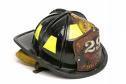
The multi-year, records-based study will include about 18,000 current and retired career firefighters. The findings will aid the International Agency for Research on Cancer's review of the carcinogenicity of firefighting.
United States Fire Administration (USFA) has issued a special report examining the causes and characteristics of winter residential building fires--those that occur in January, February, and March. The report, titled "Winter Residential Building Fires," was developed by USFA's National Fire Data Center.
The Fairfax, Va.-based International Association of Fire Chiefs is conducting an online survey to find out what readers of the newsletter want it to cover.
An inspection found workers unable to open emergency exit doors from inside the workplace; a lack of specific procedures to lock out machine power sources; missing guardrails; improperly stored oxygen cylinders; several electrical hazards; and more.
Among the products considered most likely to lead to the danger of an explosion or fire are zinc and other metallic powders, wheat flour and other food products, and certain plastics and resins. In all of these cases, if unprotected, normal processing steps can produce enough static electricity to ignite a dust cloud.
“This bill was a step in the wrong direction,” said Chief Bob McLemore, president of the Kansas State Association of Fire Chiefs. “Instead of denying jurisdictions the ability to better protect their citizens, we need to be working to provide a higher level of fire protection.”
Secretary Steven Chu listed them in a Feb. 2 letter to John E. Mansfield, vice chairman of the Defense Nuclear Facilities Safety Board.

FCC Chairman Julius Genachowski contends FCC's National Broadband Plan, which his agency will submit to Congress this month, is "the best and shortest path to a nationwide interoperable broadband network for public safety."
Acting in response to the U.S. Chemical Safety Board's recommendations from the ConAgra Slim Jim explosion, NFPA's National Fuel Gas Code Committee proposed an emergency change to strengthen NFPA 54. Expedited public review and comment will follow.
Investigations Supervisor Don Holmstrom briefed reporters today about the investigation so far into the Feb. 7 Kleen Energy explosion, which has claimed six lives.
Some 1,300 of the Model Year 2010 Arctic Cat 500 Sno Pro vehicles were sold at the company's dealerships nationwide from October 2009 to February 2010 for between $7,800 and $8,200.