Residents must replace any smoke alarm operated only by battery that is more than 10 years old with a unit powered by a 10-year, sealed-in battery having a "Hush" button feature. The requirement affects more than 800,000 homes statewide.
The agency will invest nearly $32 million in 2018 to mitigate wildfire risk, improve water quality, and restore health forest ecosystems in 24 states and Puerto Rico.
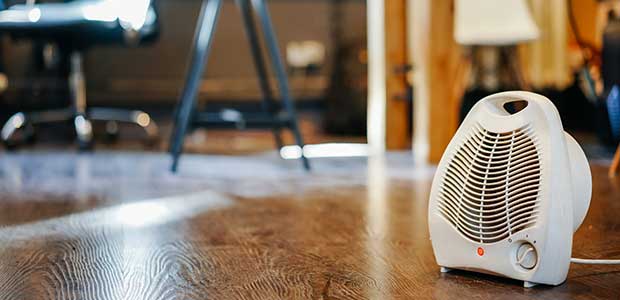
NFPA reports that heating equipment is the second-leading cause of U.S. home fires and the third-leading cause of home fire deaths. More than half (53 percent) of all home heating fire deaths resulted from fires that began when heating equipment was too close to things that can burn, such as upholstered furniture, clothing, mattresses, or bedding.
There were 73 civilian fire deaths in New York City during 2017, which is 25 more than in 2016, when the city recorded the fewest on record. The three leading causes of fatal fires in 2017 were open flames (19), electrical (15), and smoking (11), and in 53 percent of the city's fatal fires in 2017, no working smoke alarm was present.
"Recent California wildfires have driven home how important it is that we have a way to notify people quickly and effectively so they can leave burning neighborhoods, check in on loved ones, and make the best choices for their safety at any hour of the day or night," said State Sen. Hannah-Beth Jackson.
The new Fire Investigations Unit will respond on request or assist agencies in investigating all fire deaths, any death in a multi-family dwelling from carbon monoxide poisoning, fire loss in all state properties, and fire losses larger than $500,000.
"America's first responders now have a nationwide interoperable network they can rely on 24/7/365 – like their mission," said First Responder Network Authority CEO Mike Poth. "I applaud these governors for their decision and congratulate public safety for its advocacy and partnership throughout the process."
Since 2001, AFG grants have helped firefighters and other first responders obtain equipment, protective gear, emergency vehicles, training, and other resources necessary for protecting the public and emergency personnel.

It's easy to identify the biggest safety stories of 2017—they involve the year's repeated disasters.

U.S. fire departments responded to an estimated average of 200 home structure fires per year that began with Christmas trees in 2011-2015, according to NFPA.
Applications are due by Jan. 25. The Electrical Code revision cycle will include six Technical Committees and one Managing Committee, with the Technical Committees responsible for reviewing and developing amendments to the technical provisions of the Electrical Code by consensus and also reviewing administrative provisions of the Electrical Code in an advisory capacity.

The Dec. 11-12 hearing will be streamed live on the Inquiry's website.
"The Illinois legislature has mandated that the firefighters of Illinois receive training from the Fire Service Institute and certifications from the Office of the State Fire Marshal in order for them to operate smarter, safer, and more effectively," said Illinois State Fire Marshal Matt Perez. "The closer alignment of these two state agencies will offer unparalleled quality in fire service education."
The auction wll benefit the Stephen Siller Tunnel to Towers Foundation and its Building for America's Bravest program. The car is the fastest, most powerful production Corvette ever made, according to the company.
Wind turbines are getting larger and larger. Some turbines' nacelles can be about 160 meters—about 525 feet—above the ground, and the blades can be about 75 meters long.

Warning! This is a test. This is a test of the Emergency Response Plan.
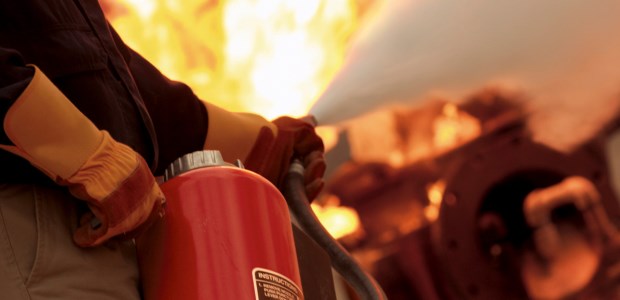
In tough, high-hazard environments, fire extinguishers are put to the test.

NFPA 1-2018 contains a new chapter on marijuana growing, processing or extraction facilities and another new chapter on cleaning and purging of flammable gas piping systems.
"Firefighters put their lives on the line on a daily basis," State Fire Marshal Jeff Hussey said. "We want to ensure they're equipped with the best resources to do their jobs safely."
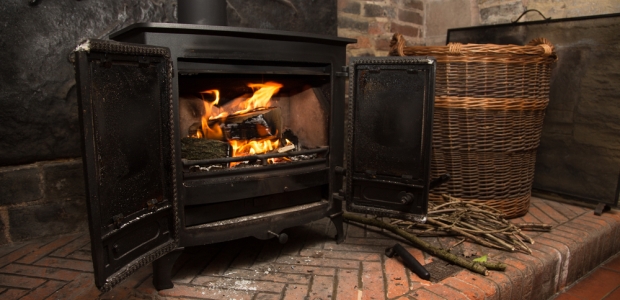
Almost half of the families in the United States use an alternate heating source, according to ARC, although the supplemental heating sources can be dangerous if not used properly.