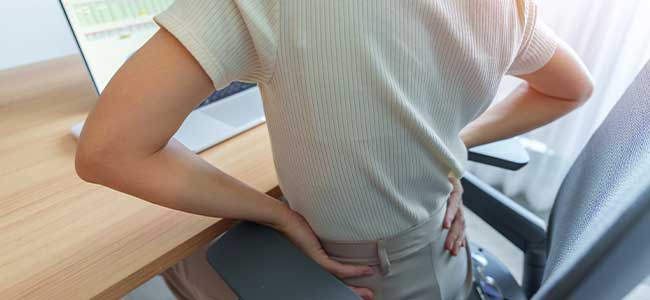
Ergonomic innovations, particularly the implementation of custom insoles, improved workplace safety, reduced physical discomfort, and increased productivity at a large manufacturing facility.
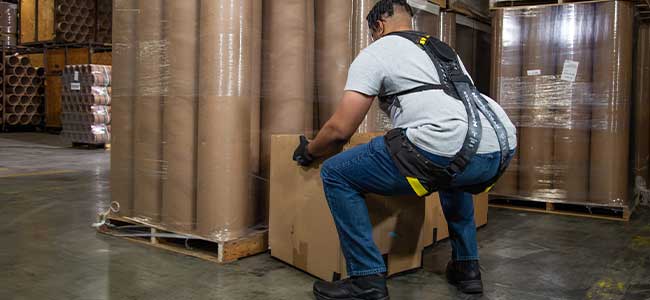
A new report shows exosuits led to zero back injuries across 280,000 hours of work in multiple distribution centers.
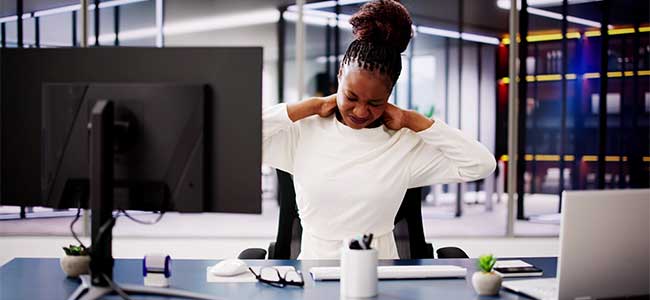
Implementing essential ergonomic design standards significantly reduces workplace injuries, enhances productivity, and ensures safer and more efficient work environments.
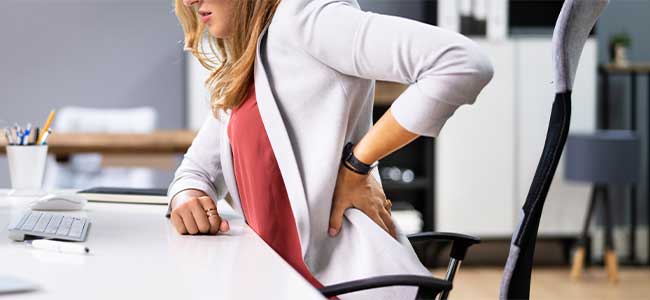
Human factors and ergonomics (HF/E) standards are essential for enhancing safety, efficiency and user-centered design across various industries, reducing errors and promoting inclusivity.

Effective workplace safety relies on tailored solutions incorporating human factors and ergonomics to address industry-specific risks and cultivate a proactive safety culture.

The state's ergonomics program went into effect in early 2024.

The participating organizations represent nearly 2.9 million employees worldwide.

The study links diversity, equity and inclusion to reducing musculoskeletal disorders.

Recent research shows that neither squat lifting nor stoop lifting techniques are safer, emphasizing the role of lift frequency, object weight, lift height, and individual capability to reduce injury risk.
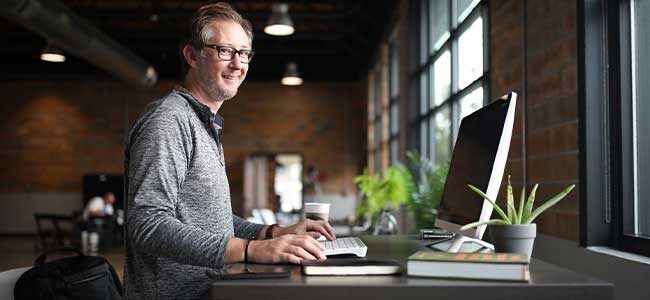
Optimizing workstation ergonomics can reduce the risk of musculoskeletal disorders and promote a more comfortable work environment.

Transforming traditional sedentary office environments into dynamic workspaces can significantly enhance employee health and productivity through fitness-focused design and ergonomic furniture.

Products with built-in, innovative safety features need to be ubiquitous for the construction industry to effectively improve safety across the board.

The grant is the latest effort of the NSC’s MSD Solutions Lab.

Delve into the role of safety technology in tackling cognitive and confirmation biases, uncovering often overlooked workplace risks and fostering a proactive approach to ensuring a safer work environment.

The e-commerce giant now faces $85,800 in fines.

Workers who stand can run into many health issues, but options like seats, floor mats, footrests and more may help make a difference.
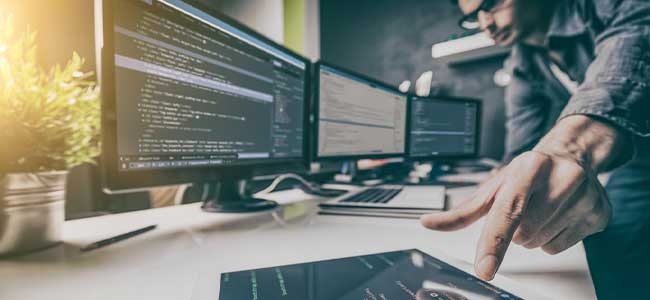
Although many jobs require frequent and long-term screen use, employers and employees can take action to prevent problems like headaches and sleep disruption.
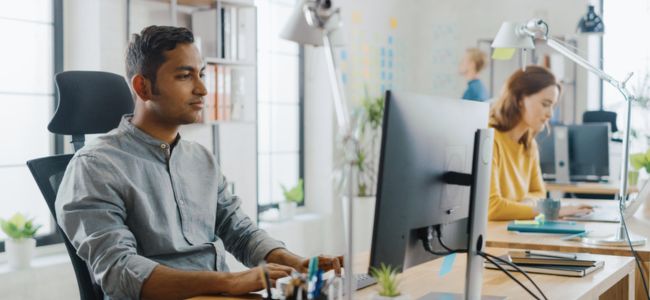
From setting up your workstation to taking walks, there are many ways office workers can create a healthier workspace.
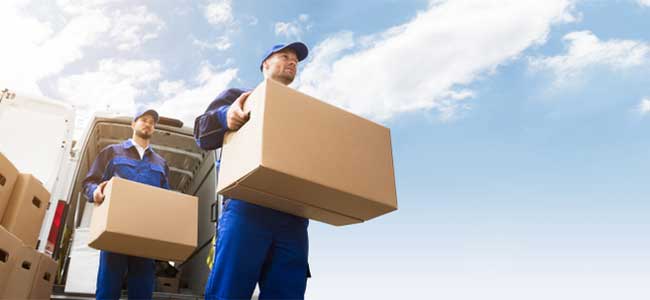
Creating a safe working environment in the moving industry is important but comes with unique challenges.

What steps can people who work in this environment take to protect themselves and their employees?