
New safety campaign highlights firefighter fitness, stress management and long-term responder health as critical components of operational safety.
CSA Group Fire Test Specialist Josh Dinaburg discusses lithium-ion battery fire risks, thermal runaway, evolving safety standards, and what workplace safety professionals need to know as battery storage systems become more common.

Ross Ashley will take the helm at NFPA this summer, bringing decades of experience in emergency management, public safety, and federal leadership as the organization continues its focus on growth and innovation.

As battery energy storage expands, evolving standards and large-scale fire testing are helping ensure new systems are deployed safely.

The industry is shifting from traditional fire watches to tech-driven monitoring to mitigate human error and protect high-value construction sites.
The acquisition of flame-resistant and high-visibility lines from Lakeland Industries strengthens NSA’s position in the safety market.

Backed by NFPA, bipartisan legislation aims to protect copyright for safety standards while ensuring public access when incorporated into regulations.
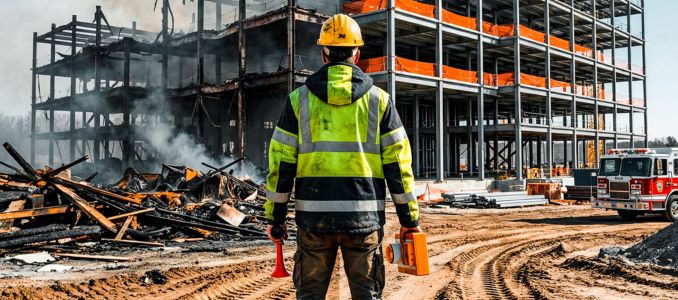
New industry whitepaper outlines upcoming NFPA 241 code changes and the role of wireless detection in protecting complex jobsites.

New FSRI research offers data on how glazing and frame materials withstand fire spread, aiding structural hardening and safety specs.
The CDC’s National Firefighter Registry for Cancer has surpassed 40,000 enrollees, becoming the largest firefighter cancer cohort in the U.S. and expanding research into occupational exposure risks.
The Fire Protection Research Foundation is launching a new research project to better understand direct current arc flash hazards as DC-powered systems become more common in the workplace.
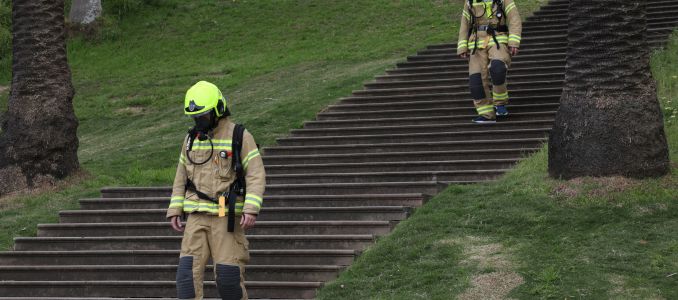
The Annual campaign, set for June 14–20, will focus on physical fitness, health, and long-term readiness for fire and emergency personnel.
Award recognizes advocacy that advances firefighter safety, codes and standards, and fire hazard prevention.

Construction jobsites are filled with hidden fire hazards, especially during hot work—here’s how to reduce risks, equip crews, and stay ready when seconds count.
As wildfire risks grow nationwide, NFPA’s 2026 Wildfire Community Preparedness Day funding highlights the increasing overlap between community resilience and occupational safety responsibilities.
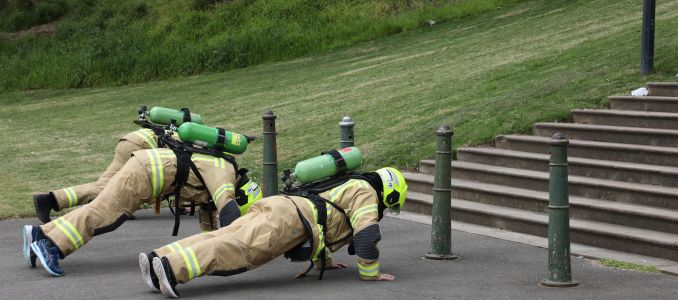
The campaign will focus on physical fitness and its role in reducing preventable injuries and deaths in the fire and emergency services during Safety Stand Down 2026, June 14–20.

Following the nation’s first municipal ban on PFAS in firefighter gear, San Francisco equips its entire frontline force with non-PFAS turnout gear to reduce exposure risks while maintaining NFPA performance standards.

Recent global fire incidents highlight how quickly small oversights can turn deadly. Reviewing core NFPA 101 concepts—clear egress routes, accurate occupancy classifications, working detection systems, and consistent training—can help U.S. employers strengthen life-safety programs in 2025.

The Illinois Department of Labor’s IL OSHA and the Illinois Fire Service Institute are expanding their partnership to provide on-demand, experience-based firefighter safety training, using real-world lessons to prevent future tragedies.
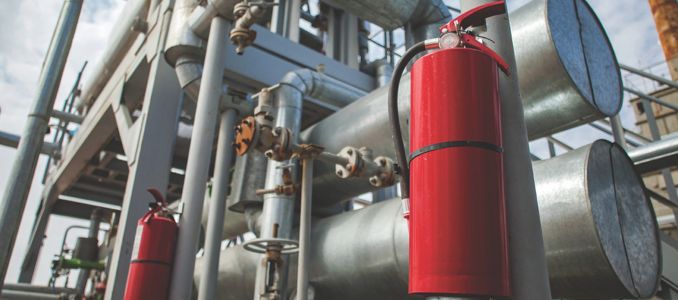
Two experts explain how digital fire training tools deliver realism, repeatability, and safety without disrupting operations—helping safety professionals build competence and confidence across diverse workplaces.