Vision Protection


New Study Shows Many Struggle

New Study Shows Many Struggle 'Often' to Get Employees to Use PPE

According to the study, the main reasons employees don’t wear PPE are that they don’t want to, they think it's unnecessary and it makes work harder.

The Eyes Have It: Protecting Employee Vision with PPE

The Eyes Have It: Protecting Employee Vision with PPE

Selection and wearing the right eye protection saves on pain, recovery and cost.

Seeing Safely: Tips for an Effective Vision Protection Program

Episode 159

Seeing Safely: Tips for an Effective Vision Protection Program

There are many things that safety directors, managers and leadership can do to ensure that employees are adhering to a vision protection program.

How Technology Is Changing the Safety Eyewear Market

How Technology Is Changing the Safety Eyewear Market

Understanding the variety of eyewear on the market can help you to choose the most beneficial pair for your employees.

Visualize the Future: Choosing the Right Safety Eyewear

Visualize the Future: Choosing the Right Safety Eyewear

From features to lens color, the options are endless.

Eye Protection: Going Beyond the Regulations

Eye Protection: Going Beyond the Regulations

Go beyond the rules and focus on how safety is viewed in your workplace.

Change Your Outlook on Construction Worker Safety

Change Your Outlook on Construction Worker Safety

Ensure safety managers for construction worksites are equipped with the information they need to help foster a culture of safety and avoid eye injuries on the job.  

How Lean Design Improves Efficient Use of Emergency Showers and Eyewashes 

How Lean Design Improves Efficient Use of Emergency Showers and Eyewashes 

Management should uncover emergency safety shower procedures and equipment that are not doing the job sufficiently or correctly.
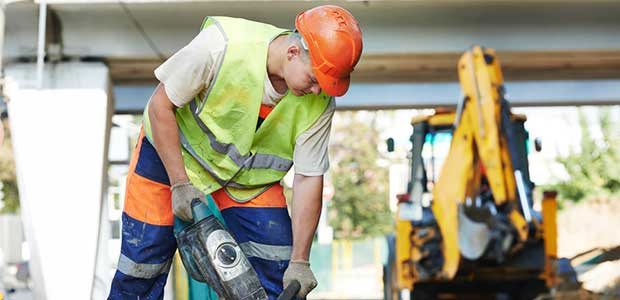


Hi-Vis 101: Everything You Need to Know

Hi-Vis 101: Everything You Need to Know

Highly reflective apparel could save lives in work zones.
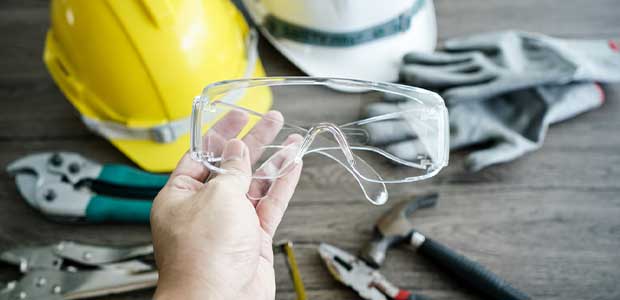
Seeing 20/20: Creating a Vision Protection Program that Works

Seeing 20/20: Creating a Vision Protection Program that Works

Understanding why workers aren’t wearing their vision protection will help identify program gaps.

Eight Steps for Ensuring Your Emergency Shower Equipment is Ready for Action

Eight Steps for Ensuring Your Emergency Shower Equipment is Ready for Action

Toxins are living in the showers and eyewashes; we have your guide against the hazards.

What You Need to Know About Anti-Fog Safety Glasses

What You Need to Know About Anti-Fog Safety Glasses

Anti-fog measures are a critical part of keeping safety glasses safe.

OSHA Releases Information on Top 10 Most Frequently Cited Standards for FY 2020

OSHA Releases Information on Top 10 Most Frequently Cited Standards for FY 2020

OSHA has revealed its annual list of Top 10 Most Frequently Cited Standards.

Assessing and Controlling Visual Hazards in the Workplace

Assessing and Controlling Visual Hazards in the Workplace

Eye injuries on the job today are far too common. Employers should conduct risk assessments to determine hazards and protect against them.

A Modern 2020 Vision: How PPE Can Work Together

A Modern 2020 Vision: How PPE Can Work Together

Successfully combining vision protection with face coverings to protect workers from COVID-19 may be logistically challenging, but it is not impossible.

Eye Protection: Identify Risks, Squash Complaints & Choose Wisely

Eye Protection: Identify Risks, Squash Complaints & Choose Wisely

Why do workers willingly put their eyeballs at risk by foregoing protective eyewear?

When using PPE, whether it

Eyes on the Prize: No Injuries

Workers in a wide variety of industries depend on vision protection that complies with ANSI/ISEA Z87.1-2015, American National Standard for Occupational and Educational Personal Eye and Face Protection Devices.

Biosafety Issues in Focus in AIHce Conference

For the first time, U.S. physicians' rates of suffering needlesticks and sharps injuries exceeded nurses' rates during 2017, an International Safety Center presenter said during a "Biosafety Issues in IH" session at the AIHce EXP 2019 conference.

Welders should not weld in confined spaces without ventilation, and they may require respiratory protection if ventilation and the work practices being employed fail to reduce exposures to safe levels.

Welders' Protection By the Book

The protective measures and equipment that welders require are spelled out in OSHA's 29 CFR 1910.252, the welding, cutting, and brazing standard.

The most encouraged exercise for reducing eye strain is the 20-20-20 rule. Every 20 minutes, you should focus on something at least 20 feet away for at least 20 seconds.

Four Simple and Effective Ways to Avoid Digital Eye Strain

Eye care professionals strongly recommend taking breaks throughout the workday to reduce eye fatigue and unnecessary eye strain.

Featured

Artificial Intelligence

Webinars