
On-site clinics are increasingly popular in workplaces, and for good reason. Not only do employees need to monitor their physical and ergonomic health, employers save money by protecting their workers.

Facilitating an effective and sustainable ergonomics process does not have to be pen-and-paper, old-fashioned and outdated.
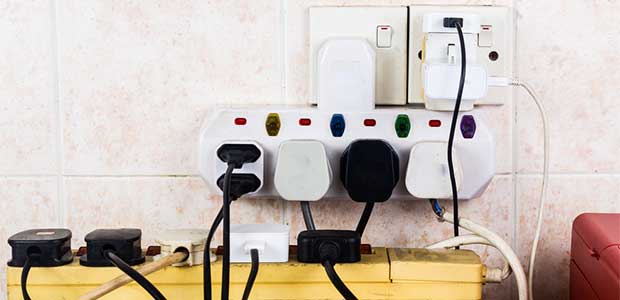
Although staff no longer must make the commute into the office, safety hazards can and do still exist in the home. Here's your WFH safety checklist.
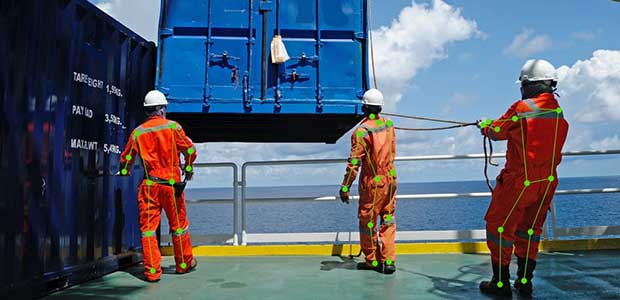
With the use of AI-driven (Artificially Intelligent) algorithms, the pressure of personal worker safety is relieved from organizations and transferred to individuals. Workers are empowered by using personalised feedback and learning about their actions.

Recent data suggests that many people’s musculoskeletal issues are exacerbated, or caused, by their job.

Keeping all skilled workers within the workplace for as long as possible should be a high priority to any business.

People have been trying to solve the problem of musculoskeletal injuries for years. However, ergonomics is simply not the whole answer.

What if we could find a perfect balance between human labor and robotic technology? Exoskeletons are both increasing labor productivity while protecting worker safety. Here are some expectations for the future of exoskeleton technology.
Most of us tend to position ourselves in a way that makes us feel most comfortable because what feels best must be best, right? Well, this is not true—failing to take ergonomic precautions when it comes to sitting for a long period of time can result in several musculoskeletal disorders and seriously impact our health.

The monopolizing technology company is taking the heat for the way it works its employees to the bone—but that doesn’t seem to be stopping Amazon from pumping out nearly a million packages every 24 hours.

In this digital world, companies are beginning to integrate wearable technologies and data science into their EHS programs to improve worker safety.
The recent staging of A+A – the Leading International Trade Fair for Safety, Security and Health at Work – closed in Düsseldorf, Germany to record results: 2,121 exhibitors from 63 nations showcased their innovations to over 73,000 trade visitors.

A monitor device made by startup StrongArm Technologies Inc. tracks employee movement and notifies them when their activity is potentially dangerous—and it’s already helping reduce workplace injuries.

Practical steps to take to improve consistency across locations and reduce workload for your ergonomics site leaders.

San Diego Convention Center will be the backdrop for this year’s NSC Congress & Expo.

Mindlessness is habitual, automatic, repetitive behavior generally brought on by multi-tasking. It can directly impact an individual's overall wellness, stress level, listening skills, injury risk and safety, and more.
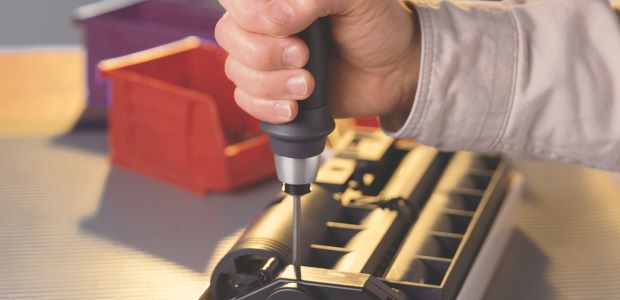
Tool manufacturers are improving all aspects of their tools, including the shape, size, weight, balance, torque, vibration, speed, and noise.
One of the highlights is a June 12 panel discussion on how increased use and legalization of marijuana affect companies' efforts to maintain drug-free workplaces.
The 18-page document was developed by the NORA Public Safety Council and outlines research work that should be done in eight focus areas in order to promote safety and health for people working in public safety.
Ask and listen for real suggestions of where workers see Safety falling short (non-defensively, of course).